
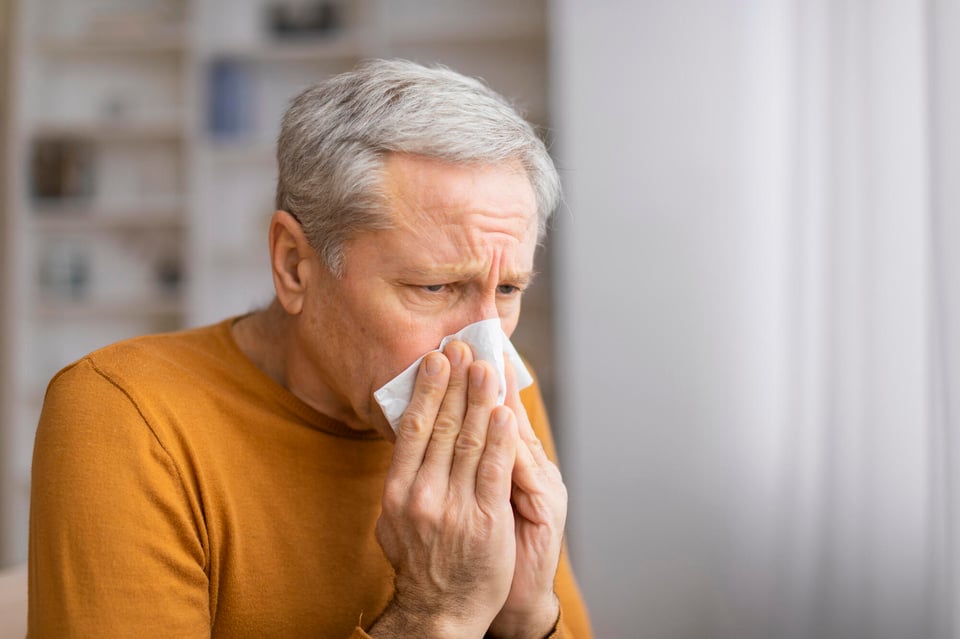
Allergy symptoms in the Spring frequently include sneezing and nasal congestion. Seniors may experience itchy or watery eyes and increased fatigue.
The National Institutes of Health reveal that 25.5% of older adults aged 64-75 and 21.7% of those over 75 have seasonal allergies. Spring allergy symptoms of older adults in OKC can greatly affect outdoor plans and limit participation in physical activity.
Seasonal respiratory irritation in retirees may increase the risk of shortness of breath. Reduced stamina during daily routines can make them more tiring and difficult to manage.
Learn more about prevention and allergy planning for outdoor time in Oklahoma City, OK, below.
What Are the Most Common Spring Allergy Symptoms in Older Adults in OKC?
Spring can be a challenging season for older adults in OKC due to seasonal allergies. The increase in pollen and allergens often triggers discomfort that affects daily life.
The most common symptoms include:
- Sneezing
- Nasal congestion
- Itchy eyes
- Watery eyes
- Fatigue
- Coughing
Recognizing these symptoms helps seniors and caregivers respond early. Early awareness supports better planning during Oklahoma's spring allergy season.
How Can Seasonal Respiratory Irritation in Retirees Affect Daily Life?
The National Council on Aging reveals that around 9% of adults over 65 have asthma, while 12% have chronic obstructive pulmonary disease (COPD).
During Oklahoma's active spring allergy season, fluctuating pollen levels can increase environmental triggers. Seasonal respiratory irritation in retirees can create added breathing strain for individuals with asthma or COPD.
Daily activities may require more pacing and rest. Outdoor errands or social plans may need flexible scheduling during high pollen periods.
Careful routine planning helps retirees maintain better stability.
What Strategies Help Seniors With Allergy Planning for Outdoor Time in Oklahoma?
Seniors benefit from checking daily pollen forecasts before planning outdoor activities in Oklahoma. Mornings after rainfall often bring lower pollen levels.
Choosing shaded parks or breezier locations can reduce exposure. Wearing sunglasses and wide-brim hats helps protect the eyes from airborne pollen.
Changing clothes after returning indoors prevents allergens from spreading inside the home. Simple planning habits allow older adults to enjoy outdoor time more comfortably.
When Does the Oklahoma City Pollen Season for Seniors Typically Peak?
The Oklahoma City pollen season for seniors often reaches its peak in February as early tree pollen begins circulating.
Large amounts of pollen are released from trees in the area, such as:
- Elm
- Cedar
- Maple
- Eastern Red Cedar
- Cottonwood
- Sycamore
Windy conditions spread these particles across neighborhoods quickly. Eastern Red Cedar can lead to particularly high levels of pollen from late winter to early spring and cause a condition known as "Cedar Fever".
Dry weather often allows pollen to remain airborne longer. Viewing local monitoring reports helps track rising pollen concentrations.
Understanding these seasonal patterns helps seniors anticipate higher exposure across the Oklahoma City area.
Can Spring Allergies Worsen Chronic Health Conditions in Older Adults?
According to AARP and the CDC, over 90% of adults 65 and older have at least one chronic condition. Nearly 80% reported having two or more chronic health conditions.
Spring allergies can make chronic health conditions in older adults harder to manage. Allergic reactions may trigger inflammation or strain the respiratory system.
This added stress can complicate existing issues like heart disease or diabetes. Closer monitoring and care plans are required.
How Does Senior Health Awareness in OKC Improve Allergy Management?
Senior health awareness in OKC highlights the importance of monitoring seasonal allergies. It encourages older adults to schedule regular check-ups with their healthcare providers.
Knowing which specialists and services are available helps seniors access timely care. Education about proper nutrition and hydration supports resilience.
Community resources include senior centers with low-pollen indoor activities. Older adults can use these spaces to stay active safely during allergy season.
Which Medications Are Safe for Managing Seasonal Allergies in Seniors?
Several medications can help manage seasonal allergies safely for older adults when used under medical guidance. Non-drowsy antihistamines relieve sneezing and itchy eyes without causing excessive sedation.
Nasal corticosteroid sprays reduce inflammation and congestion effectively. Saline nasal rinses help clear pollen from the nasal passages.
Consulting a healthcare provider ensures treatments do not interact with existing prescriptions or underlying health conditions.
How Do Allergy Symptoms in the Spring Affect Seniors' Daily Activities?
Allergy symptoms in the Spring can disrupt established routines for many seniors. Tasks that require focus, such as reading or hobbies, may become harder to sustain.
Adjusting time outdoors around the changing pollen conditions is essential. Gardening and yard work may require shorter sessions.
Community events might need more careful scheduling. Making small adjustments allows seniors to continue participating in meaningful daily activities.
Frequently Asked Questions
Can Air Filtration or Indoor Environment Changes Reduce Spring Allergy Risks for Seniors?
High-efficiency air filters reduce indoor pollen and dust for seniors. Closing windows during peak pollen times limits allergen entry.
Controlling humidity prevents mold growth. Regular cleaning removes dust and allergens from surfaces.
Improved ventilation and strategic indoor arrangements support a more comfortable home environment.
How Do Sensory Changes in Older Adults Influence Their Reaction to Seasonal Allergens?
Smell and taste can diminish with age and make detecting allergens harder. Reduced tear production may worsen eye irritation from pollen.
Changes in nerve sensitivity can amplify discomfort from sneezing or congestion. Altered skin barrier function may increase reactions to airborne particles.
Sensory shifts affect how seniors perceive and respond to allergens.
Are Seniors at Higher Risk of Developing Secondary Infections During Allergy Season?
Spring allergies can inflame the nasal passages, creating openings for bacteria or viruses.
Weakened immune responses in seniors may reduce the body's ability to fight infections. Frequent sneezing and congestion increase exposure to pathogens.
Mild respiratory irritation can escalate into sinus or ear infections if not carefully managed.
Discover Personalized Assisted Living at Morada Lake Hefner in Oklahoma City, OK, Today
Allergy symptoms in the Spring can make daily tasks more tiring for seniors. Adjusting indoor spaces and routines helps limit exposure and discomfort. Paying attention to immune changes and early signs of complications promotes a safer and healthier management of seasonal allergies.
Morada Lake Hefner, located in Oklahoma City, OK, offers Assisted Living services. Our Senior Lifestyle Programs provide engaging activities, full-service housekeeping, and chef-prepared dining. We deliver personalized support to help residents maintain their independence and manage daily routines comfortably.
Contact Morada Lake Hefner to schedule a tour with us or to request more information today.
.jpeg?width=1200&height=511&name=2-web-or-mls-W%20Hefner%20Rd-003%20(2).jpeg)